

Grief is one of the most human experiences we all share. No matter where we live, what language we speak, or what faith we hold, losing someone we love shakes us to our core. When someone close to us is grieving, it can be difficult to know how to respond. What do we say? What do we do? How do we show respect for their pain without intruding on their privacy?
This guide explores universal ways of supporting the bereaved, highlighting words, gestures, and actions that can offer comfort across cultures. While traditions differ around the world, the foundation of compassion, respect, and presence remains the same.
Finding the Right Words
Many people hesitate to speak to someone who has just lost a loved one, fearing they will say the wrong thing. Yet silence can feel like avoidance, which may deepen the sense of isolation for the grieving person. The truth is that no perfect words exist—but sincerity matters more than perfection.
Simple expressions of sympathy often bring the most comfort. A gentle “I am so sorry for your loss” acknowledges the pain without trying to fix it. Saying “I’m here for you if you need anything” offers support without pressure. Some people find solace when you share a cherished memory of the deceased, especially if you use their name. This keeps their presence alive and shows that their life had meaning beyond their death.
What should be avoided are phrases that try to explain away the loss. Comments like “They are in a better place” or “It was their time” can unintentionally wound, particularly if they conflict with the bereaved person’s beliefs. Instead of offering explanations, focus on empathy. Even a quiet “I don’t know what to say, but I care about you” can be deeply meaningful.

The Power of Actions
Words matter, but actions often speak even louder. Practical support can lighten the immediate burden that grief brings. Preparing a meal, helping with transportation, caring for children, or running errands are all ways of showing love in tangible form. These gestures communicate: You are not alone. I am here with you.
Small tokens, such as sending a card, flowers, or making a donation in the deceased’s name, can also provide comfort. They are visible reminders that others are standing alongside the grieving family. Yet sometimes the greatest gift is simply your presence. Sitting together in silence, without needing to fill the air with conversation, allows the bereaved to feel supported without pressure.
Universal Principles of Respect
Although customs differ from country to country, certain principles of compassion resonate across cultures. These can serve as a compass when you are uncertain about how best to support someone in mourning:
- Presence over words: Being there, physically or emotionally, often means more than speaking the “right” words.
- Listening first: Give space for the bereaved to share feelings and memories without rushing to respond.
- Respecting boundaries: Grief is individual—some people want company, others need solitude.
- Actions over empty phrases: Practical help and genuine gestures carry more weight than well-meaning clichés.
- Personalized care: Mentioning the deceased by name or recalling a shared story shows attentiveness and respect.
This is the only list in the article, but it summarizes the most universal and widely applicable ways to express compassion.
Cultural Variations in Mourning
Even though these principles are universal, every culture has unique ways of expressing grief. Being aware of them can help you navigate situations respectfully.
In Japan, families often visit gravesites and bring offerings of flowers, incense, or small gifts to honor the deceased. The ritual is quiet and respectful, emphasizing presence and remembrance. In Hindu traditions, cremation on the banks of the Ganges or other rivers symbolizes spiritual release, and mourners may participate in purification rituals.
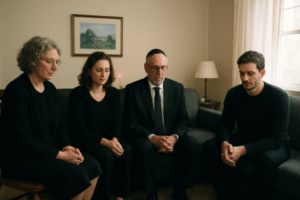
In Jewish communities, the practice of sitting shiva means that mourners stay at home for several days while friends and relatives visit. Guests are encouraged to listen and support rather than make small talk. Within Islam, burial typically happens quickly, often within 24 hours, accompanied by prayers from the community. Respect is shown by attending, reciting prayers, and offering practical help.
In parts of Ghana, funerals are large, colorful celebrations of life, where communities gather to honor the deceased through music, dance, and storytelling. Although the style of mourning differs dramatically from quiet rituals elsewhere, the shared element is clear: families come together, communities support one another, and the deceased is remembered with dignity.
By understanding that mourning practices vary, we can adapt our gestures of respect while keeping the underlying principles the same: empathy, presence, and care.
When You Don’t Know the Deceased Well
Sometimes, we want to support a grieving friend or colleague even if we never met their loved one. In these cases, a simple acknowledgment can mean a great deal. Expressing sorrow for their loss, attending a memorial service if invited, or sending a short note shows that you value the person and respect their pain.
It is not necessary to speak at length about the deceased if you did not know them. Instead, focus on the grieving person and their experience. A few sincere words, combined with a gesture of presence or support, can still be powerful.
Long-Term Support
One of the most overlooked aspects of grief is its longevity. While many people offer support during the days around the funeral, fewer remember to check in weeks or months later. Yet grief does not disappear with time; it evolves. Birthdays, anniversaries, and holidays can reopen wounds, and a simple message or call during those times can provide enormous comfort.
Long-term support can be as simple as inviting the bereaved to coffee, remembering the deceased on special days, or simply asking, “How are you doing these days?” Even if the answer is short, the gesture signals ongoing care.
Caring for Yourself While Supporting Others
Supporting someone through grief can also be emotionally demanding. It is important to acknowledge your own limits and to care for yourself while offering compassion. If you feel overwhelmed, step back gently rather than withdrawing completely. Being honest—*“I want to support you, but I also need to take care of myself”—*creates healthier, more sustainable support.
Conclusion
Showing respect for the bereaved is not about grand gestures or perfect words. It is about presence, empathy, and consistency. Whether you are preparing a meal, listening to stories, or quietly sitting in shared silence, your compassion will be felt. Across cultures, the details may differ, but the essence is the same: honoring grief, remembering the deceased, and standing alongside those who mourn.
By focusing on universal principles and adapting to cultural traditions when needed, we can all learn to offer comfort in ways that are both meaningful and respectful.
Further Reading
Grief support & communication:
HelpGuide.org – Helping Someone Who’s Grieving
cruse.org.uk understanding grief
UNESCO perspective on death rituals:
UNESCO – Intangible Cultural Heritage: Funeral rituals